Atopic dermatitis
People with atopic dermatitis usually have red, dry rashes and intense itching. Redness, severe dryness and especially persistent itching, which creates the vicious 'itch-scratch' cycle, are typical signs of eczema or atopic dermatitis. The exact cause is not yet fully understood, but a combination of genetic and environmental factors plays an important role. For example, people with a family history of atopic dermatitis tend to be more sensitive to external irritants.
Does that mean nothing can be done? Not at all. There are several effective ways to soothe irritated, itchy atopic skin. Atopic dermatitis is a chronic condition that can improve or worsen over time, but dryness and itching often return. An overactive immune system overreacts to certain irritants, and this produces the visible symptoms. To ease eczema symptoms, alongside other supportive measures, two things matter most: prevention and care of the skin barrier.
The skin is a natural defence against external factors such as changing environmental conditions and everyday irritants, including detergents, harsh soaps and cleansers. Atopic dermatitis symptoms, especially dryness and itching, can damage the skin barrier and make it easier for pathogens to get in. The skin should therefore first be cleansed gently to reduce the risk of secondary infection, and then the barrier should be strengthened with essential lipids and sufficient moisture.
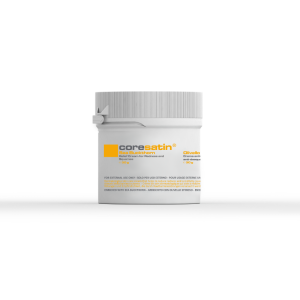
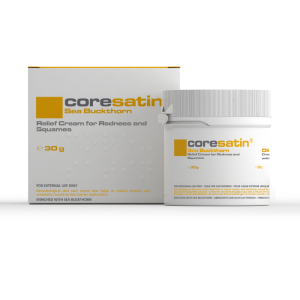
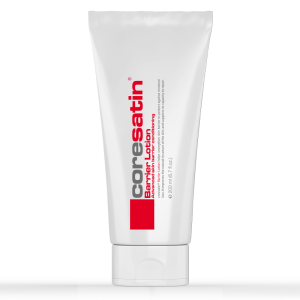
coresatin® Sea Buckthorn Relief Cream is designed to gently cleanse the skin and support the recovery of a weakened barrier, as a complement to the care for atopic skin recommended by a dermatologist. Sea buckthorn, rich in linoleic acid and ceramides, helps restore the skin barrier, retain moisture and ease the feeling of itching and dryness.
This information is intended for general education only and does not replace professional medical advice. coresatin® products are cosmetics, not medicines. If a skin problem is persistent, worsening or unusual, please consult a dermatologist.