Sensitive skin is a broad term covering a range of skin conditions, including eczema, psoriasis, dry skin, rosacea and allergic reactions to external factors. Sensitivity is therefore often a sign of another skin condition. Skin sensitivity and irritation can be caused by internal factors (such as a genetic predisposition), external factors (such as a reaction to cosmetics or changes in the environment), or both.
Causes of sensitive skin
Sensitive skin can be inherited. It is more likely if you or your family have a history of eczema, allergic contact dermatitis, acne or psoriasis. These conditions can weaken the skin barrier, reduce its ability to cope with the environment and make the skin more easily irritated. Strengthening the skin barrier can therefore be an effective way to soothe irritated skin.
Beyond genetics, sensitive skin can react to specific physical or chemical irritants such as cosmetics, detergents and soaps. Prolonged sun, wind and sudden changes in the weather also easily affect sensitive skin, because its barrier is more vulnerable.
Two key tips for caring for sensitive skin
Gentle cleansing. A weakened skin barrier is more easily irritated, so harsh cleansers can do more harm than good. Sensitive skin is best served by gentle formulas that cleanse thoroughly while respecting the skin's natural flora.
Moisturising. Moisture is an essential component of the skin barrier, and a lack of it weakens the barrier even further. Sensitive skin often finds it harder to hold on to moisture, so it dehydrates more easily. Moisturisers containing the building blocks of the barrier, such as lipids, ceramides and free fatty acids, help support the barrier and soothe irritated skin.
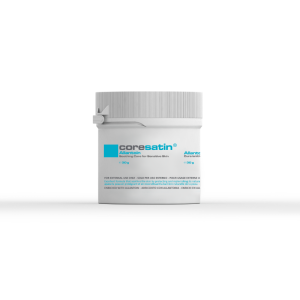
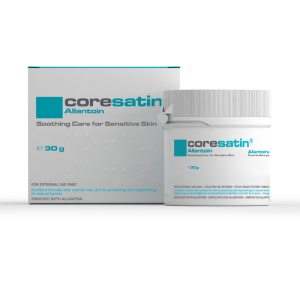
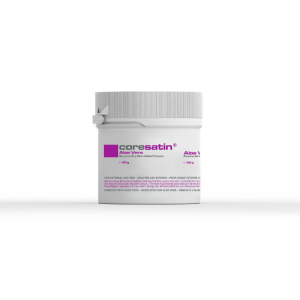
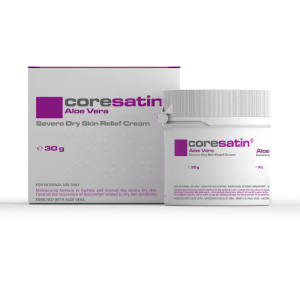
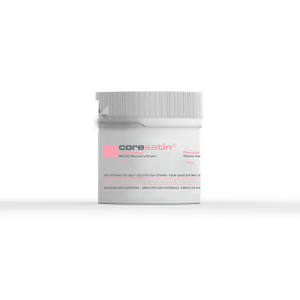
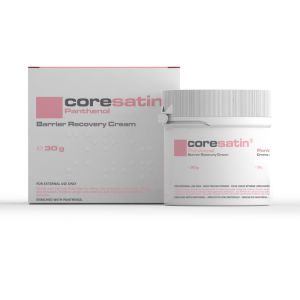
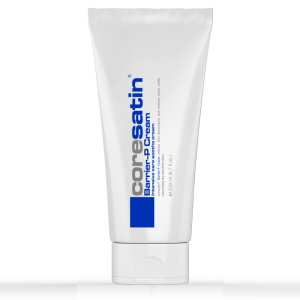
That is exactly why coresatin® Panthenol Barrier Recovery Cream is designed to gently support the skin barrier while moisturising, making it suitable for the daily care of sensitive skin.
This information is intended for general education only and does not replace professional medical advice. coresatin® products are cosmetics, not medicines. If a skin problem is persistent, worsening or unusual, please consult a dermatologist.