What causes psoriasis?
Psoriasis is not contagious and cannot be passed to another person through close contact or touch. Contrary to popular belief, psoriasis is not linked to personal hygiene.
The main cause of psoriasis is thought to be a malfunction of the immune system, but environmental and lifestyle factors can make symptoms worse. Psoriasis is a common inflammatory skin disease in which, due to genetic factors, the body produces skin cells much faster than usual. As a result, thick, red, scaly patches form on the skin, which often itch and are sometimes painful.
Plaque psoriasis and psoriatic arthritis
The most common form is plaque psoriasis, but there are other forms too, including pustular, inverse, erythrodermic and guttate psoriasis. Plaque psoriasis is characterised by red, inflamed patches covered with dead skin cells and grey or white scales. They can appear anywhere on the body, from the scalp, ears and lips to the hands, feet and even the nails. Psoriasis can also affect the joints.
Managing psoriasis and treatment approaches
Unfortunately, psoriasis cannot yet be cured, but its symptoms can be managed with considered, regular treatment aimed at slowing excessive cell production, soothing itchy and inflamed patches and removing excess dead skin. Alongside medicines prescribed by a doctor and phototherapy, creams and ointments applied to the skin are often used for mild to moderate psoriasis.
Creams for psoriasis-prone skin
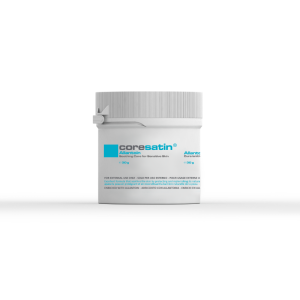
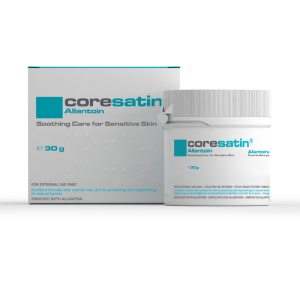
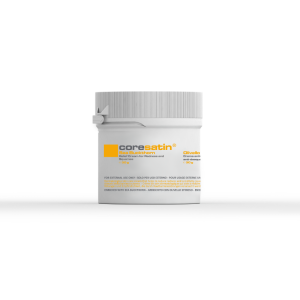
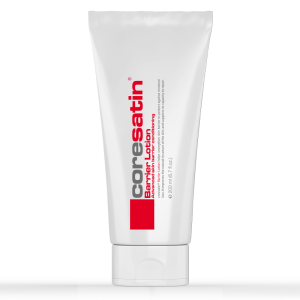
Allantoin is well known for its ability to soothe, soften and protect irritated skin. Alongside treatment prescribed by a doctor, creams with allantoin, such as coresatin® Allantoin Soothing Care for Sensitive Skin, provide intensive moisture, ease the feeling of dryness and improve the look of the skin.
This information is intended for general education only and does not replace professional medical advice. coresatin® products are cosmetics, not medicines. If a skin problem is persistent, worsening or unusual, please consult a dermatologist.